





Phones
Tech Advancements In Smartphone Security By Samsung

In a time when safeguarding digital information is crucial, Samsung has made a remarkable advancement by introducing quantum-safe mobile security in its new flagship lineup, the Galaxy S25. This pioneering technology seeks to counter the imminent danger posed by the swift evolution of quantum computing, which threatens to undermine existing encryption standards. By integrating cutting-edge quantum-safe security protocols, Samsung is dedicated to keeping users’ sensitive data secure against both current and future threats.
Understanding the Quantum Computing Threat
Quantum computers, with their tremendous processing abilities, can tackle intricate problems that exceed the limits of classical computing. While this promise unlocks thrilling possibilities across various domains, it also represents a considerable challenge to existing encryption protocols. Quantum algorithms, like Shor’s algorithm, could plausibly compromise the public-key cryptography that underpins much of today’s digital communications. Consequently, the need for quantum-safe security has emerged, harnessing advanced algorithms built to endure the capabilities of quantum machines.
Samsung’s Proactive Approach to Quantum-Safe Security
By recognizing the necessity of being proactive, Samsung has stepped up to confront the dangers of quantum computing. The Galaxy S25 series is the pioneer in incorporating Samsung’s Post-Quantum Enhanced Data Protection (EDP) within the Knox Matrix ecosystem. This cutting-edge solution uses post-quantum cryptography (PQC) to deliver end-to-end encryption for user data throughout cloud backups, restorations, and syncing activities. With the integration of PQC technology into its devices, Samsung is establishing a new benchmark for mobile security, subsequently ensuring the safeguarding of user data as quantum computers become increasingly prevalent.
The Benefits of Samsung Knox Matrix
Samsung Knox Matrix, the company’s extensive security ecosystem, is vital in providing quantum-safe protection for Galaxy S25 users. This sophisticated platform facilitates seamless integration across an array of connected devices, from smartphones and TVs to digital appliances. By embedding PQC technology into Knox Matrix, Samsung guarantees a secure and connected experience for users without sacrificing performance or usability. The end-to-end encryption offered by EDP not only protects user data during cloud interactions but also allows for secure sharing and collaboration across various devices.
One UI 7: Seamless Integration with Quantum-Safe Features
To enhance the quantum-safe security features of the Galaxy S25 series, Samsung has rolled out One UI 7, the latest version of its user interface. One UI 7 presents a fluid and intuitive user experience while ensuring that the device’s quantum-safe functions are straightforward to access and manage. Users can adjust their security preferences, track the status of their encrypted data, and stay informed about emerging quantum computing threats via the One UI 7 interface. This integration underscores Samsung’s dedication to delivering a comprehensive and user-friendly response to the challenges brought about by quantum computing.
The Future of Quantum-Safe Mobile Security
As quantum computing technology continues to evolve, the necessity for quantum-safe mobile security will escalate. Samsung’s implementation of PQC technology in the Galaxy S25 series signifies a pivotal moment for the industry, establishing a new model for data protection in light of advancing threats. As more tech leaders acknowledge the critical need for quantum-safe solutions, we are likely to witness a widespread adoption of PQC technology across various devices and platforms. This transition toward quantum-safe security will not only secure sensitive user data but will also enhance trust and confidence within the digital ecosystem overall.
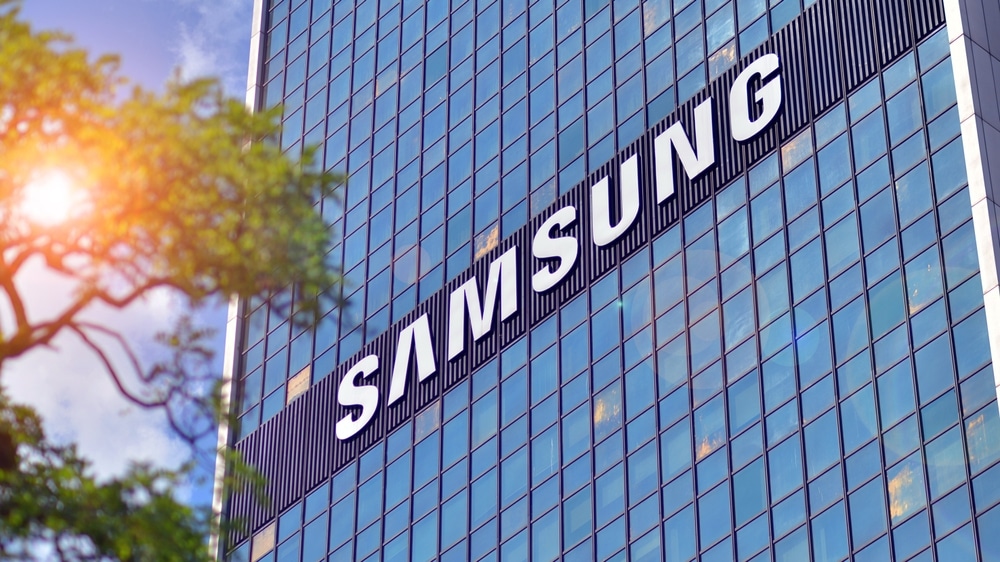
Image Source: Grand Warszawski / Shutterstock