







Gaming
PS6 vs Xbox Magnus: What You Need to Know About the Next-Gen Console Showdown

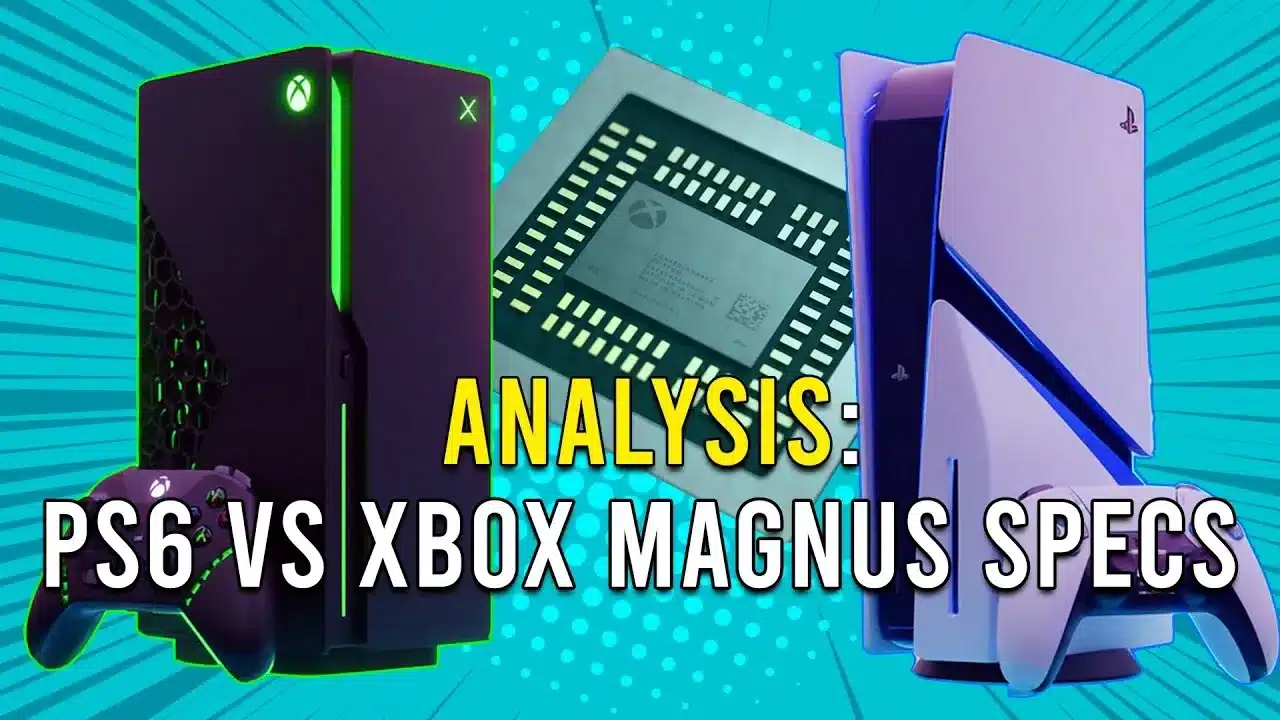
The gaming landscape is on the brink of a major shift, as rumors swirl surrounding the upcoming PlayStation 6 (PS6) and Xbox Magnus. Early leaks indicate that both consoles are poised to reimagine gaming priorities, stirring energetic discussions among fans and tech analysts. With Xbox Magnus rumored to feature a formidable 48GB of GDDR7 memory and innovative technologies, it is positioned as a potential titan that may rival even the most advanced gaming PCs. Conversely, the PS6 appears to adopt a distinctive strategy, prioritizing affordability and ecosystem coherence to attract a wider audience. This divergence ignites a compelling debate: Will sheer hardware prowess outshine accessibility and revolutionary designs in the next-gen console race?
Analyzing the Hardware Specifications
Both consoles are expected to leverage AMD’s RDNA5 GPU architecture, heralding a new era in gaming performance and visual quality. However, their hardware capabilities reflect different strategic trajectories:
Xbox Magnus
Poised to deliver exceptional performance, the Xbox Magnus is reportedly equipped with 68 compute units, a 192-bit memory bus, and 48GB of GDDR7 memory. Its estimated power consumption ranges between 250-350W, emphasizing its commitment to high-quality graphical output and computational speed, making it a formidable choice for gamers seeking peak performance.
PS6
The PS6, on the other hand, is rumored to feature slightly fewer compute units (52-54), a 160-bit memory bus, and 40GB of GDDR7 memory. Its design focuses on efficiency and cost-effectiveness, utilizing smaller Zen 6C cores aimed at an optimal balance between performance and energy conservation. This approach may resonate particularly well with casual gamers looking for reliable gaming without the financial investment of high-end hardware.
Both consoles are prepared to support advanced functionalities such as ray tracing and path tracing, which will elevate graphic fidelity and rendering techniques, promising immersive experiences that redefine gaming worlds.
Performance vs. Design Philosophy
The Xbox Magnus is gearing up to be a premier gaming console, emphasizing uncompromising performance and cutting-edge technology. However, this focus on power might come with a higher price tag, catering predominantly to gamers who value robust hardware. In contrast, the PS6 is likely to attract a broader audience by stressing affordability, compatibility, and an inclusive gaming ecosystem.
The differences in CPU configurations further underscore their distinct philosophies. The Xbox Magnus combines both Zen 6 and Zen 6C cores for a blend of power and efficiency, while the PS6 banks heavily on smaller Zen 6C cores, emphasizing its commitment to cost-effectiveness and user accessibility.
A Look at Memory and Bandwidth
Memory configurations highlight a major difference between these two platforms. The Xbox Magnus, with its 48GB of GDDR7 memory and 192-bit memory bus, promises higher bandwidth and potentially superior performance for memory-intensive applications. The PS6, while slightly less robust with 40GB of GDDR7 and a 160-bit memory bus, still represents a meaningful upgrade from previous generations, ensuring smooth performance and quick data processing.
Technological Innovations En Route
The introduction of RDNA5 GPUs signifies a major leap for both consoles, especially in features like ray tracing, which enhances the realism of lighting, shadows, and reflections. Another frontier is AI integration; while Sony is exploring AI-driven methods for dynamic environments, Microsoft may focus on performance optimization through artificial intelligence, ensuring consistent frame rates under demanding conditions. The strategic implementation of AI in both consoles could redefine gameplay experiences, signaling a shift toward more reactive and engaging interactions in virtual spaces.
Expanding Gaming Ecosystems
The evolving landscape suggests that both Sony and Microsoft will enhance their ecosystems through supplementary hardware and services. Sony’s rumored upcoming handheld device could provide additional gaming mobility for PS6 users, while Microsoft may deepen the integration of its Game Pass service, enhancing Xbox Magnus’s appeal by broadening access to a vast gaming library across various platforms.
Strategic Market Approaches
Sony and Microsoft are charting distinctly different market strategies. With its emphasis on affordability, backward compatibility, and exclusive titles, the PS6 aims to be an inviting option for casual gamers and devoted PlayStation fans. In contrast, Microsoft’s focus on premium hardware and exceptional power targets a more specialized segment of performance-driven gamers, while also appealing to those seeking hybrid gaming experiences that rival high-end PCs. This strategic variance may reflect their ultimate visions for their respective gaming ecosystems.
The Implications for the Gaming Industry
The anticipated arrival of the PS6 and Xbox Magnus stands to reshape the gaming industry significantly. Innovations in ray tracing, AI-driven graphics rendering, and enhanced memory performance are poised to influence console gaming and broader gaming markets alike, setting higher standards for developers in creating tricky, immersive games that challenge conventional output. The convergence of GDDR7 memory and RDNA5 GPUs could encourage game studios to push the boundaries of what’s possible in terms of graphics and gameplay mechanics, fostering experiences that increasingly blur the lines between the virtual and the tangible.
What Lies Ahead
Despite the wealth of speculation, a number of details concerning the PS6 and Xbox Magnus remain shrouded in mystery. Critical elements such as finalized specifications, clock speeds, pricing strategies, and potential redesigns may significantly affect their performance and positioning in the marketplace. Future official announcements from both Sony and Microsoft will ultimately determine the trajectory of these platforms and how gamers respond to them.
As excitement builds within the gaming community, one message is unequivocal: the next generation of consoles is set to introduce groundbreaking advancements that will shape the gaming world for years to come.