






Hardware
Unveiling Meta’s $800 AI Glasses: A Deep Dive into Performance Pitfalls

The future of wearable technology presents challenges that can’t be ignored. Investing $800 in smart glasses is a leap, especially when the expected features—gesture controls and real-time translations—are more problematic than promised. The reality many find with the Meta Display Glasses is a blend of excitement and disappointment. Meta aims to reshape our interaction with technology, yet the result often feels more like a rough draft rather than a finished product. From a design that’s less than sleek to features that struggle to perform reliably, the Meta Display Glasses illustrate the gap between ambition and execution.
Steven Sullivan delves into what makes these smart glasses tick, balancing their potential with evident shortcomings. Readers will uncover the display’s inability to compete with industry standards, usability obstacles that hinder its appeal, and how competitors are managing to outpace Meta. This exploration will be crucial for tech fans and casual consumers alike, showcasing what happens when the drive for innovation doesn’t translate into a user-friendly experience. When cutting-edge ideas miss the mark, it raises the question of what it truly takes to make technology work seamlessly in our lives.
Meta Display Glasses Review
Display and Design: Balancing Innovation and Practicality
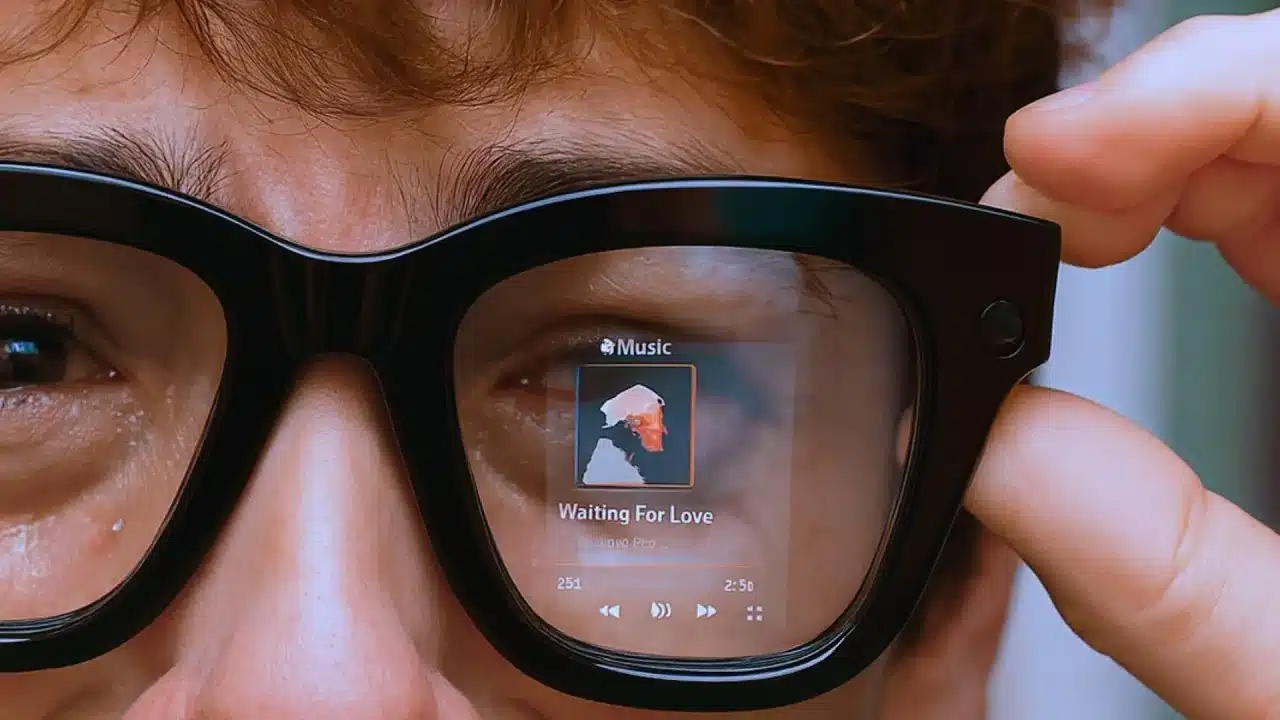
The Meta Display Glasses come equipped with a single-lens display, boasting a resolution of 600×600 pixels. While this design approach has conceptual merit, the resulting clarity falls short compared to the dual-lens setups offered by other brands. Users looking for a vivid, immersive experience may quickly grow frustrated when the limitations of the display become evident, especially during more complex viewing tasks.
Furthermore, the glasses’ design has its own pitfalls. The bulky frame is coupled with limited color options—shiny black and tan—making them less appealing to a broader audience drawn to stylish, contemporary designs. Comfort during prolonged use can also be an issue, as the glasses feel heavier compared to many competing products.
One feature worth noting is the transition lenses that automatically adjust to sunlight. Although this showcases an effort toward practicality, the lenses struggle to reach full darkness, rendering them less effective in bright conditions. For frequent users who often shift between indoor and outdoor settings, this undermines the usability, raising questions about the overall design philosophy of the product. Enhancements are needed to align fashion with function.
Functionality and Usability: Falling Short of Expectations
The Meta Display Glasses purport to simplify interactions with touch controls and gesture recognition. However, users frequently report inconsistencies and frustration with these capabilities. Touch controls, while functional at times, can feel unresponsive, demanding repeated gestures to achieve the desired outcomes—making convenience seem more elusive than it should.
Gesture recognition, one of the product’s key selling points, often misinterprets commands, complicating straightforward tasks like navigating menus or swiping. Issues like screen glitches and the need for multiple attempts to wake the display further detract from the intended seamless experience. Cumbersome rather than fluid, these aspects chip away at the usability that consumers expect.
Meta Display Glasses, Specs, Apps & Real-World Drawbacks Explained
For an in-depth exploration, check guides and articles from a diverse library that provide further insights into the Meta Display Glasses.
Features and Performance: Limited Scope, Missed Opportunities
The features available on the Meta Display Glasses don’t quite meet expectations. App integration appears superficial, limited to popular platforms like WhatsApp, Instagram, Messenger, and Spotify. While navigating music is feasible, the lack of advanced features—like voice commands—hinders its practical use.
The camera, which claims a “3x zoom,” falls short, delivering performance that aligns more closely with a 2x zoom on modern smartphones. The image quality may suffice for casual snapshots but doesn’t match the standards set by other devices within the same price range.
The navigation and mapping functionalities, another touted feature, are far from practical. The overly broad views and absence of dependable turn-by-turn directions often make this tool more of a hindrance than a help, forcing users back to their smartphones for reliable navigation.
Live Captions and Translation: Limited Accessibility
Real-time translation and captioning sound fantastic on paper, but the limited language options and convoluted setup process sap much of their potential. Simplifying the experience while expanding language support could elevate this feature significantly in future models.
Comparison to Competitors: Falling Behind
In a competitive space, the Meta Display Glasses struggle to validate their high price point. Alternatives like the Inmo3s, Rokit Glasses, and Ray-Ban Meta Wayfarers come with refined designs, superior functionality, and better value for money.
Ray-Ban Meta Wayfarers impress with their stylish design and enhanced user experience, appealing directly to fashion-forward consumers. Meanwhile, Inmo3s and Rokit provide practical features at more accessible price points, ensuring budget-conscious users don’t compromise performance.
When stacked against these contenders, the Meta Display Glasses demonstrate a lack of sophistication and adaptability. Combined with their higher price, they position themselves poorly for consumers searching for quality and value.
Overall User Experience: Room for Improvement
Wearing the Meta Display Glasses over extended periods can lead to discomfort, with many users experiencing headaches and fatigue. This concern is significant, particularly for a product designed for everyday wear. The blend of unintuitive controls, limited app support, and disappointing hardware culminates in a feeling of incompleteness.
For those accustomed to other smart glasses, the Meta Display Glasses hardly present any compelling advantages. With a series of design, functionality, and performance drawbacks, they struggle to carve out a space in an already bustling market. Though the concept holds promise, the current design falls short of delivering a satisfying user experience.
Future Potential and Challenges
Meta Display Glasses personify a bold attempt to stretch the boundaries of wearable technology. However, the execution reveals substantial hurdles that persist in successfully bringing such innovations into the consumer realm. Key improvements are essential in display quality, user interface design, and feature cohesiveness if these glasses are ever to find a solid footing.
Meta’s leap into the smart glasses arena highlights wearable technology’s ability to transform human interaction with the digital landscape. Yet, realizing this potential demands a more thoughtful approach that squarely addresses the pitfalls evident in today’s model. For the moment, the Meta Display Glasses stand as an interesting idea that hasn’t yet fulfilled its promise, highlighting the opportunities for future developments.
Media Credit: Steven Sullivan