







Hardware
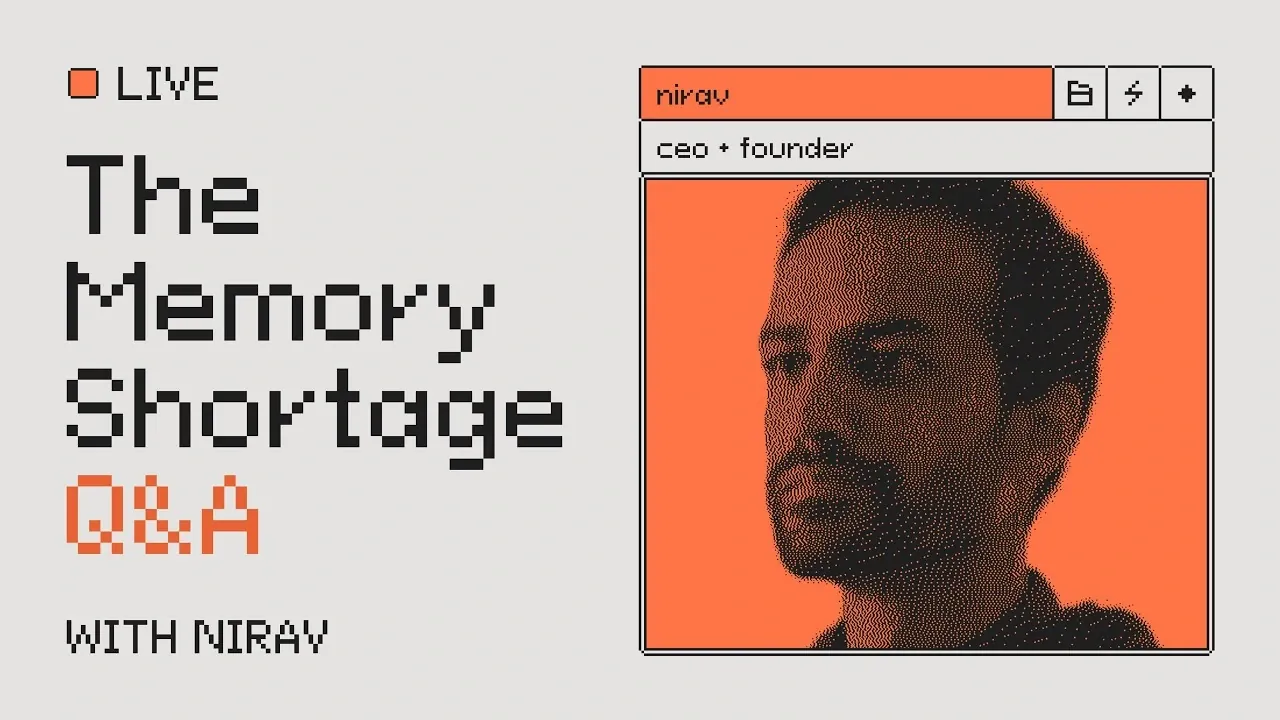
Navigating the Global Memory Crunch: Insights, Pricing Trends, and the 2027-2028 Forecast

The ongoing global memory shortage is significantly influencing multiple sectors, from consumer electronics to advanced AI systems. This issue arises from a blend of ongoing production delays, a skyrocketing demand for high-performance memory, and persistent disruptions in the supply chain. For example, the construction of new fabrication plants—a process that spans several years—has not kept pace with the explosive growth of AI data centers that are heavily reliant on memory resources. Consequently, these challenges have resulted in rising prices and limited availability, revealing the complex dynamics of the memory supply chain.
This article aims to delve deeper into the causes of the memory shortage and its ramifications for both consumers and manufacturers. It examines the production challenges faced by leading suppliers, the memory demands imposed by AI applications, and how companies like Framework are addressing these issues with innovative, modular designs. Additionally, readers will discover practical strategies to navigate rising costs and choose suitable memory solutions in a constrained market.
Global Memory Shortage Impact
What’s Driving the Memory Shortage?
The memory shortage results from several interconnected factors that have culminated in a pronounced imbalance of supply and demand:
Production Constraints: Major manufacturers, including Micron, Samsung, and SK Hynix, are struggling to scale their production levels to satisfy increasing demand. The creation of new fabrication facilities is a lengthy and costly endeavor, causing delays that prevent a swift industry response to surges in demand.
AI-Driven Demand: The unprecedented expansion of AI data centers has led to soaring requirements for memory, especially for high-margin products like High Bandwidth Memory (HBM). These centers focus heavily on machine learning workloads, which consume extensive amounts of memory, thus diverting resources from other sectors, like consumer electronics.
Post-Pandemic Adjustments: The pandemic initially resulted in a spike in demand for consumer electronics, leading to temporary inventory surpluses. As supply chains recalibrate to align with the new normal, these surpluses have morphed into significant shortages, intensifying the existing crisis.
These elements collectively underscore the intricacies of the memory shortage, highlighting the challenges faced by both manufacturers and consumers.
How the Shortage Impacts You
For consumers, the most immediate effect of the memory shortage is a noticeable increase in prices. Supply chain interruptions and production bottlenecks have manifested in sharp fluctuations in costs, which manufacturers typically pass down to end-users. As a result, consumers are experiencing higher prices for laptops, smartphones, and various electronics that depend on memory components.
To combat these rising costs, companies like Framework are proactively minimizing the burden on their customers. By absorbing some of the increased expenses and employing strategies like weighted average inventory pricing, Framework is striving to maintain affordability and stabilize costs. Their dedication to delivering high-quality products amidst market challenges reflects a strong commitment to consumer interests.
Framework’s DIY Philosophy: A Practical Solution
Framework’s innovative product designs exemplify a unique approach to navigating the memory shortage. By adopting a Do-It-Yourself (DIY) philosophy, they enable customers to supply their own memory and storage components, reducing dependency on pre-installed parts. This flexibility empowers users to choose options that align with their budget and availability, ultimately fostering a more cost-effective environment.
Furthermore, Framework’s partnerships with companies like Adata to provide semi-customized memory modules ensure a steady component supply while upholding the company’s commitment to modularity and upgradability. This strategy not only enables adaptation to changing market conditions but also extends the device’s lifespan, contributing to reduced electronic waste and promoting sustainability.
Industry Dynamics and the Road Ahead
The slow expansion of memory production capacity suggests that the current shortage may persist for several years. Experts predict that supply will start to align more closely with demand by 2027 or 2028 as new fabrication facilities gradually become operational. Until then, the increasing demand from AI data centers will continue to pressure the availability of premium memory products in other sectors.
Despite these obstacles, companies like Framework remain committed to innovation and adaptability. By investing in research and development, they are ensuring that memory shortages do not impede the introduction of new models or updates. This proactive approach positions Framework favorably to navigate the changing market landscape effectively.
Ripple Effects on Related Technologies
The memory shortage is also generating ripple effects throughout related technologies, particularly in NAND and SSDs. Restricted NAND production has led to elevated SSD prices, prompting some consumers to explore more budget-friendly alternatives like DRAM-less SSDs. Conversely, the broader silicon shortage is currently less severe because components like microcontrollers benefit from a more varied supply chain. These complexities reveal the interconnected nature of the technology supply chain and how memory shortages can affect other components.
Framework’s Initiatives to Support Customers
Framework’s ongoing efforts emphasize their dedication to supporting users during this challenging landscape, ensuring that customers can enjoy reliable, high-performance devices without sacrificing quality or affordability.
What Lies Ahead?
The global memory shortage is projected to endure for several years, driven by inherent production constraints and escalating demands from AI applications. Nevertheless, companies like Framework demonstrate that through resilience and innovation, the impacts can be mitigated. By focusing on repairability, upgradability, and user empowerment, Framework provides practical solutions that enable consumers to rise to these challenges.
As the memory shortage reshapes the technology landscape, staying informed and utilizing available tools will be essential. Equipped with the right strategies, you can successfully navigate this uncertain period while maintaining access to the devices and technologies that are integral to your daily life.