







Gaming
Battle of the Consoles: Which Gaming Powerhouse Reigns Supreme for Your Next Adventure?

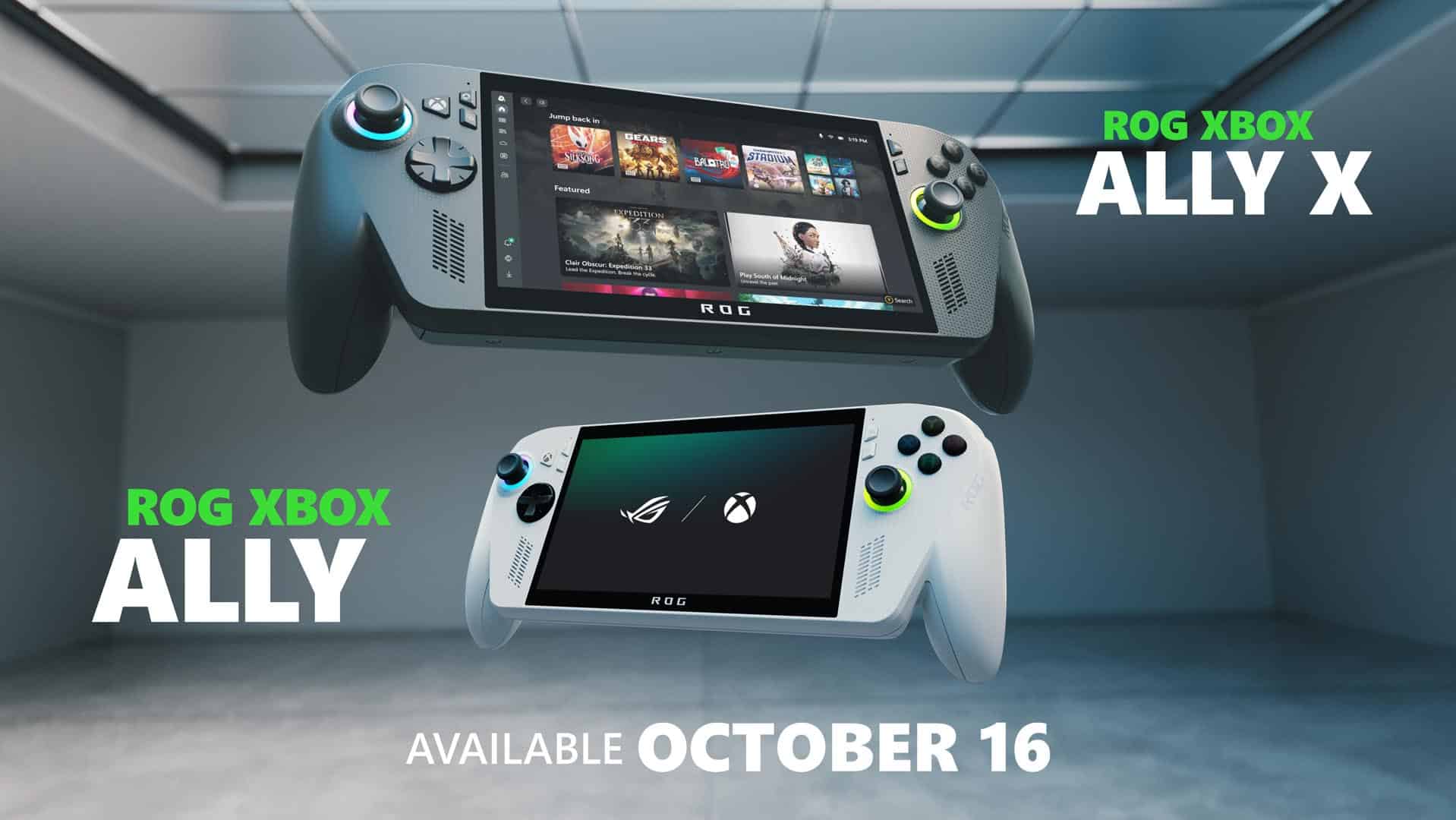
The Xbox ROG Ally serves as an attractive entry point for gamers, retailing at $600. This device includes an AMD Ryzen Z2A processor, 16GB of RAM, and 512GB of internal storage, making it well-suited for those who prefer a budget-friendly option that still delivers considerable performance.
Conversely, the ROG Ally X stands at a premium price point of $1,000, featuring the more robust AMD Ryzen Z2 Extreme processor, 24GB of RAM, and 1TB of storage. These enhancements cater to gamers requiring superior performance for multitasking or for running graphically intense titles. The additional RAM combined with increased storage capacity provides a more seamless experience, particularly for users with extensive game collections.
Design and Build Quality
Both gaming devices boast a 7-inch 1080p display, complemented by a 120Hz refresh rate and FreeSync support to ensure smooth, vibrant graphics. Each screen achieves brightness levels of 500 nits, making them versatile for indoor and outdoor play. However, the Ally X’s additional weight contributes to its ergonomic design, enhancing comfort during prolonged gaming sessions—an essential feature for die-hard gamers.
Aesthetically, the standard Ally features a clean white design, while the Ally X opts for a more sophisticated black finish with subtle branding. Notably, the button design varies slightly between the two, with the Ally X providing a more tactile experience for button presses, which may appeal to gamers seeking a satisfying feedback sensation during play.
Performance and Gaming Experience
Performance remains the most significant differentiating factor between the two systems. The Ally X, driven by the AMD Ryzen Z2 Extreme processor, excels in demanding titles like Battlefield and Cyberpunk 2077, accommodating high or ultra settings without a hitch. This model is designed specifically for gamers prioritizing graphical fidelity and high-end performance.
The standard Ally, while proficient, aligns more closely in performance with the Steam Deck, demonstrating capabilities for medium to high settings across a variety of games. This device offers solid gaming experiences for casual players yet may encounter limitations when attempting to run the most demanding games at maximum settings.
Both systems operate on Windows, unlocking a broad array of game launchers, including Steam and Xbox Game Pass, which enhances compatibility with a vast game library. However, this operating system does place demands on users, necessitating frequent updates and driver management to optimize performance—something that newer users may find challenging.
Battery Life and Charging
Battery longevity also presents a clear distinction between the two models. The Ally X, equipped with an 80Wh battery, provides roughly 2-3 hours of gaming per charge, making it a preferable option for extended play without continuous recharging.
Additional Features and Usability
Both gaming devices embrace the Xbox interface to provide a console-like experience, facilitating easier navigation for users already familiar with Xbox systems. However, as Windows-based models, both require regular updates and installations, which could be a drawback for some users.
Notably, the Ally X includes haptic feedback triggers that enrich immersion through tactile feedback during gameplay. The standard Ally employs Hall effect triggers, which, while dependable, do not provide the same level of sophisticated interactivity.
Gamers looking to expand their storage capacity will find both models accommodating, as they support microSD cards and SSD upgrades, ensuring enough space for extensive game libraries. This flexibility is highly beneficial for users who frequently download new titles or prefer to have multiple games readily accessible.
How They Compare to Competitors
When considering other handheld gaming options, the ROG Ally series emerges as a strong contender in balancing power and portability. Here’s how they measure against notable rivals:
- Steam Deck: Although less powerful than the Ally X, it benefits from a Linux-based OS that minimizes maintenance effort, making it a viable choice for players who value simplicity over peak performance.
- Lenovo Legion Go: Offering comparable performance, its heavier and less ergonomic design may diminish comfort during extended sessions.
- MSI Claw 8i Plus: Matches the size of the Ally series but lacks the comfort and grip ideal for lengthy gaming experiences.
Such comparisons showcase the ROG Ally series’ strengths in performance, design, and usability while also highlighting the necessary trade-offs when selecting a handheld gaming device.
Considerations and Limitations
While both the Xbox ROG Ally and Ally X have significant strengths, they do come with limitations. The necessity for frequent system updates and driver installations can be burdensome, especially for those unfamiliar with Windows environments. Additionally, the standard Ally’s 512GB storage may be insufficient for gamers with larger collections, prompting immediate expansions.
The nuanced differences in button design may also require some adaptation, particularly for users accustomed to different ROG models. While these factors may not deter a purchase, they are certainly worth considering before making a final choice.
Choosing the Right Device
Ultimately, the Xbox ROG Ally and ROG Ally X fulfill different roles for various types of gamers. The standard Ally is an excellent choice for those who prioritize affordability and portability while still accessing a wide game library. In contrast, the Ally X caters to performance enthusiasts who seek advanced features and superior ergonomics.
Your final decision will hinge on your unique gaming preferences and priorities. If a budget-friendly option with reliable capabilities is what you seek, the standard Ally makes a compelling case. However, for gamers desiring a premium experience filled with cutting-edge features, investing in the Ally X may be the way to go.