



Phones
A Simple Guide To Move Your Data To Android Effortlessly

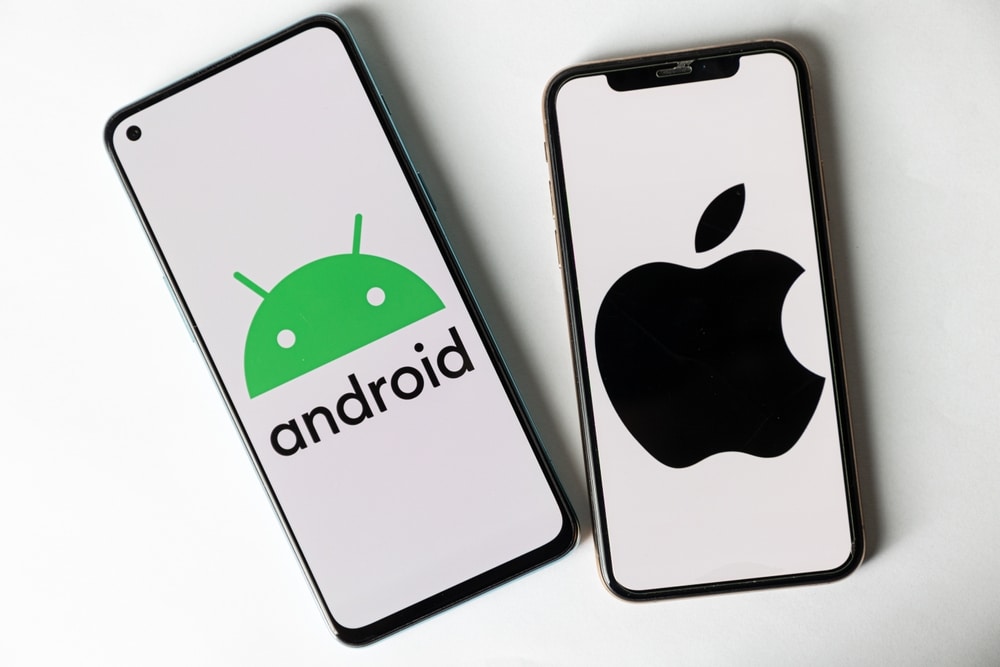
Switching from an iPhone to an Android device can feel like stepping into uncharted territory, full of unknowns and potential hiccups. Many folks worry about losing precious memories, contacts, or even the ability to message family and friends effectively. However, the good news is that with some careful planning and a few helpful tools, you can make this transition not only smooth but also empowering. There’s a fantastic video by tech guru Pete Matheson that walks you through the entire process, ensuring that you can take everything you cherish with you to your new Android device.
Photos and Videos
Let’s face it—your photos and videos are probably the gems of your phone. They capture unforgettable moments, milestones, and the everyday joys of life. Thankfully, transferring them to Android is pretty straightforward. If you’ve been using iCloud for your photos, the simplest way to shift everything to your Android is to move your images to Google Photos directly. Just a heads-up: make sure to turn off Advanced Data Protection in your iCloud settings first, as this might complicate the transfer. Once done, you’ll have all your memories at your fingertips on the Google Photos app, looking just as stunning as ever!
Contacts and Calendars
Now, let’s talk about keeping your social life intact! Your contacts and calendar events are crucial for staying connected with friends, family, and work. To effortlessly transfer this info, install the Google One app on your iPhone. This app will back up your contacts and calendars straight to your Google account. If you’re a bit more hands-on, you can export your Apple Calendar data and integrate it into Google Calendar manually. Just double-check that every person and every appointment made the journey to your new Android home. After all, you don’t want to miss that important birthday or meeting!
iMessage and Messaging
There’s nothing worse than switching phones and realizing your texts are a mess. To prevent this nightmare, it’s essential to disable iMessage before you make the leap. Head into your iPhone settings and turn off iMessage to avoid those pesky undelivered messages. Then, visit Apple’s website to deregister your phone number from iMessage entirely. This ensures that your friends can reach you without a hitch on your new Android device. And for your messaging apps like WhatsApp, simply back up your conversations on your iPhone, and bring them over to your Android using the same phone number.
Passwords and Authentication
In our digital age, passwords are like keys to our virtual lives. To ensure you have access to all your accounts on Android, you’ll want to transfer your saved passwords securely. If you use iCloud Keychain, you can export your passwords using a Mac and bring them into a cross-platform password manager. These managers, like 1Password or LastPass, are super handy. Don’t forget about two-factor authentication codes; manage those carefully to ensure you don’t lock yourself out of anything important!
Browser Data
If you’ve spent years building bookmarks and preferences in Safari, fear not—you can maintain continuity in your browsing experience. Simply export your bookmarks from Safari and import them into a browser like Google Chrome or Brave on your Android. Syncing your browsing history and saved preferences with your Google account means smooth sailing as you navigate the web on your new device.
Email Configuration
Transitioning your email from iCloud to Android is surprisingly easy. Add your iCloud email to the Gmail app on your Android device. You’ll need to create an app-specific password through your Apple ID settings to keep everything secure. Once you’ve done that, run a quick test to confirm that you can both send and receive emails seamlessly. This way, you won’t miss a beat!
Music and Media
Love your music? You can still enjoy it on your new Android device. Apple Music is available on Android, so feel free to keep using it without skipping a beat. If you’ve curated playlists you adore, consider using third-party tools to transfer them to Spotify or YouTube Music. And for Apple TV users, don’t worry; just download their app on your new device, and your media library is just a tap away.
Apps and App Migration
When it comes to apps, some of them may not play nice across platforms. You can use Android’s migration tool to transfer compatible apps, but be prepared to reinstall or even repurchase apps that aren’t available on the Google Play Store. It might take a little time to ensure you have all the tools you need, but soon enough, your Android will feel just like home!
Location Sharing and Smart Tags
Switching from Apple’s Find My to Android isn’t too complicated; just trade it out for Google Maps for location sharing. If you’ve been relying on AirTags, look for alternatives like Galaxy Tags that work well within the Android ecosystem. You’ll find a variety of apps that enhance location sharing and tracking capabilities too, so take the time to explore new features that may elevate your experience.
File Sharing and Notes
Say goodbye to worries about losing essential files! Move your files from iCloud Drive to Google Drive for easy access on Android. For your notes, export Apple Notes as rich text files, and import these into an app like Google Keep or Microsoft OneNote. Organizing your files and notes will help you quickly find what you need, whenever you need it.
Digital Wallets
And let’s not forget about your digital wallet! Transfer your passes from Apple Wallet to Google Wallet without a hitch, and don’t forget to set up your payment cards in Google Wallet for secure transactions. A quick test run will ensure that all your payment methods and passes are functioning correctly, leaving you ready to navigate your new setup seamlessly.
Smart Home Compatibility
If you’ve built a smart home around Apple’s ecosystem, transitioning it to Android requires a few adjustments. Start by resetting your smart home devices and pairing them with Google Home for a seamless integration. If you invest in devices that support the Matter standard, they can work well with both Apple HomeKit and Google Home, giving you more flexibility.
Account Authentication
If you’ve used Sign-In with Apple for some of your accounts, now’s the time to switch over to alternative login methods or set up passwords for these accounts to avoid any tech meltdowns on your new Android device. It’s a smart move to update your login credentials across all devices for a smooth, disruption-free experience.
Encryption and Security
Lastly, let’s talk about keeping your digital life safe. While Android has robust security measures to offer, it’s a good idea to assess your specific needs. Google’s Advanced Protection program provides solid security, though it doesn’t quite match the end-to-end encryption offered by Apple. If privacy is a priority for you, look into using a VPN or encrypted messaging apps. Also, don’t forget to keep your Android device updated to benefit from the latest security patches and enhancements.
Transferring from iPhone to Android may initially seem overwhelming, but remember that with thoughtful planning and the right resources, you can make this shift without missing a beat. Take it one step at a time, and soon enough, you’ll be diving into the unique features and freedom that Android has to offer. Embrace this change; it’s an opportunity to explore new possibilities in mobile tech.