






Hardware
Supercharge Your Raspberry Pi with Intel Arc eGPU: Your Easy Guide to Driver Setup

Envision the power of an Intel GPU compactly integrated into a portable system. Thanks to recent kernel advancements, the collaboration between Intel Arc GPUs and Raspberry Pi devices has shifted from mere speculation to tangible reality. This innovative combination not only showcases the potential for robust computing within a minimalist framework but also opens doors to exciting opportunities in fields such as artificial intelligence (AI) and sophisticated graphics processing. The significance of this integration is profound, illustrating that high-performance computing can be both affordable and compact.
This article dives into the mechanics of this groundbreaking synergy, highlighting the necessary hardware and software adjustments while examining how it can transform experiences for developers, educators, and DIY enthusiasts. By tackling the challenges associated with adapting Intel GPU drivers to the ARM architecture, we will explore a landscape rich with promise, capable of reshaping the future of compact computing.
Compatibility of Intel GPUs with Raspberry Pi
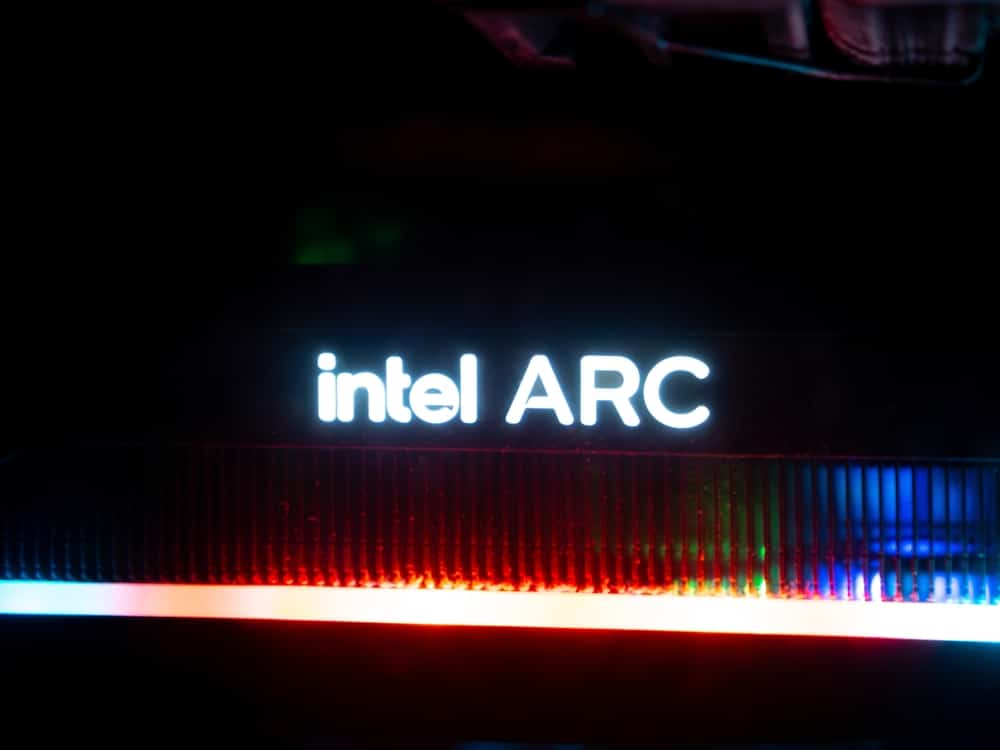
The successful integration of Intel Arc GPUs—like the A750 and A310 Eco—into Raspberry Pi devices has been achieved through meticulously crafted kernel updates designed to bridge the gaps between x86 and ARM architectures. Ongoing development efforts are aimed at incorporating Intel GPU support into Raspberry Pi OS, with potential expansions to RISC-V platforms. This evolution seeks to streamline the configuration process, enhance user experience, and make powerful graphics more accessible in smaller systems.
This milestone transcends mere technical novelty; it represents a critical step towards democratizing high-end computing solutions. As compatibility improves, the Raspberry Pi is positioned to become an essential tool for education, creative projects, and more.
Getting Started: Hardware and Software Essentials
Successfully utilizing an Intel GPU alongside a Raspberry Pi requires comprehensive preparation and precise hardware and software configurations. Essential components for this setup include:
- An external GPU (eGPU) dock for the Intel GPU
- A PCI Express adapter to link the GPU to the Raspberry Pi
- A reliable power supply to support the GPU’s energy demands
- Necessary firmware and kernel updates to ensure smooth integration
These prerequisites highlight the technical challenges associated with this setup. Nevertheless, for those who dedicate the time, this combination represents an exciting venture into powerful computing capabilities at a budget-friendly price.
Driver and Software Challenges
Adapting Intel GPU drivers for ARM and RISC-V platforms presents numerous challenges, largely due to differences in memory mapping and architecture compared to conventional x86 systems. For example, the Mesa 3D graphics library that comes with Raspberry Pi OS does not natively accommodate Intel GPUs, compelling users to compile updated versions manually.
This complexity underscores the ongoing need for software innovation to facilitate compatibility. Resolving issues related to driver adjustments and memory management is essential for optimizing performance and enhancing user experiences, ultimately paving the way for more widespread adoption of Intel GPUs in non-x86 environments.
Performance and Existing Limitations
While the integration of Intel GPUs with Raspberry Pi is promising, certain limitations remain. Smaller AI models can run effectively within this framework, making it suitable for basic machine learning tasks. However, larger models may encounter memory limitations that restrict their applicability. Additionally, some rendering artifacts have been observed in Vulkan applications, even as performance remains reliable in OpenGL.
Although resizable BAR support is available, it has yet to be fully optimized for Intel drivers on Raspberry Pi. Continued development in this area may yield further performance enhancements in the future.
Future Prospects for Development
The continuous development of Intel GPU integration with Raspberry Pi devices is set to usher in more advanced and multifaceted computing options. Such innovations will not only benefit individual users but can also revolutionize how developers and tech enthusiasts navigate the compact computing landscape, birthing new projects and applications.
Potential Applications of Intel GPUs with Raspberry Pi
The compatibility of Intel GPUs with Raspberry Pi devices unleashes a diverse array of economical computing possibilities. Noteworthy applications could encompass:
- Deploying AI models in home labs for accessible machine learning solutions
- Conducting lightweight graphics rendering for a range of creative and technical endeavors
- Offering prototyping opportunities for developers and hobbyists eager to explore computing frontiers
As performance and compatibility continue to improve, these systems could evolve into vital resources for various technical and creative applications, merging affordability with high-performance capabilities.
The Broader Impact of Intel GPU Integration
The integration of Intel GPUs with Raspberry Pi signifies a pivotal advancement towards achieving cross-architecture hardware compatibility. By bridging the chasm between x86 and ARM systems, this integration significantly amplifies the capabilities of Raspberry Pi while diversifying its potential applications. Although challenges such as driver optimization and memory management remain, ongoing efforts in development are addressing these hurdles.
This innovation not only offers individual advantages but also carries broader implications for the technology industry. It encourages progress across various sectors, enhancing educational pathways and driving developments in domains like artificial intelligence. As this development progresses, we can anticipate a future where compact, high-performance computing solutions serve as invaluable tools for developers, researchers, and enthusiasts alike.