




Gadgets
Which Smart Glasses Fit Your Lifestyle: A Head-to-Head of Meta Ray-Ban and Rokid Features

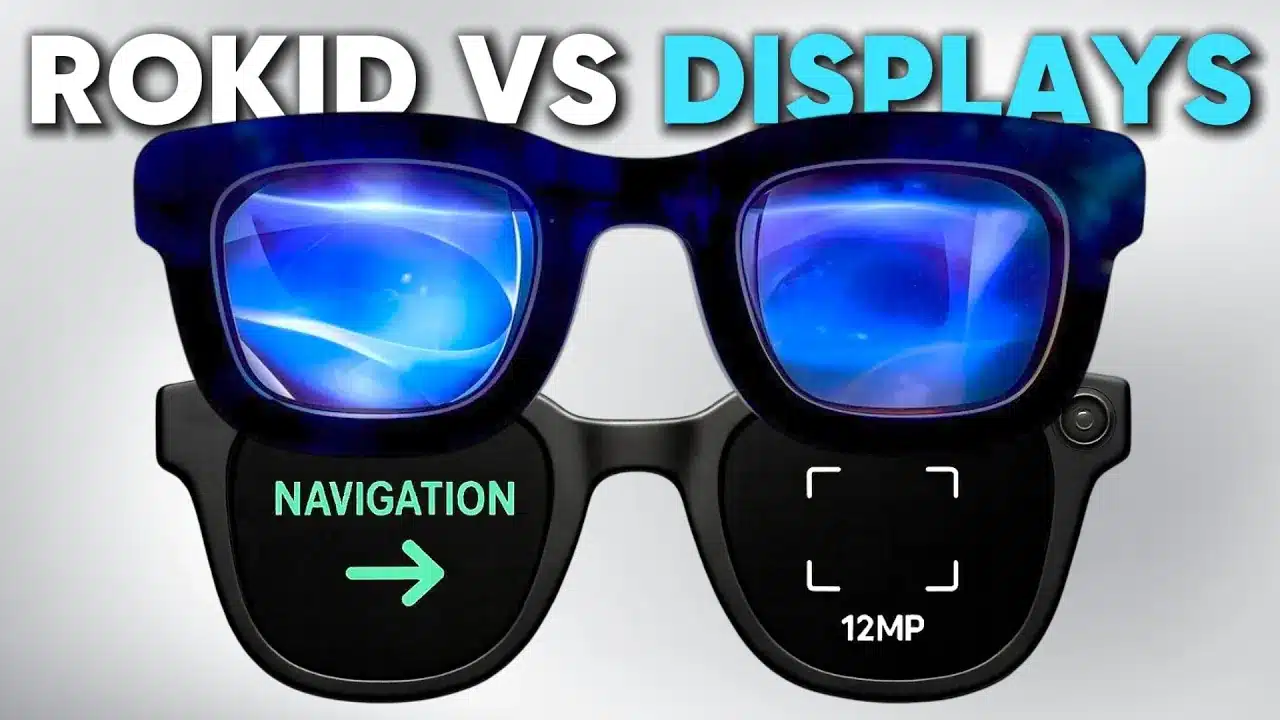
Imagine a world where your eyewear transcends mere vision correction, transforming into your personal assistant, translator, and multimedia interface. The emergence of smart glasses is revolutionizing technology, and two notable products are at the forefront: the Meta Ray-Band Display Glasses and Rokid Glasses. While Meta boasts futuristic features and innovative gesture controls, Rokid emphasizes practicality and user comfort. This article delves into a detailed comparison of these two devices, highlighting their unique strengths, limitations, and how they cater to different user needs.
Display Technology
The display capabilities of smart glasses can significantly shape user experience:
- Meta: Equipped with a single-eye full-color display that reaches 5,000 nits, it excels in bright outdoor conditions. However, users may experience eye strain during prolonged use, diminishing visual clarity over time.
- Rokid: Offers a dual-eye display with a brightness of 1,500 nits and an impressive 10-level dimming feature. This design prioritizes long-term comfort and adaptability to varying light conditions, making it a better choice for extended sessions.
For those prioritizing visual comfort, Rokid’s display technology provides a more user-friendly experience over longer periods.
Design and Ergonomics
When it comes to design, the usability and comfort of smart glasses are paramount:
- Meta: Weighing in at 70 grams, its design is bulkier than many alternatives. It requires a custom-fitted wristband for gesture control, which could hinder convenience, although it does feature transition lenses for outdoor use.
- Rokid: Designed to resemble traditional eyewear, Rokid is lightweight and stylish. It supports clip-in lenses for prescriptions and comes in various colors to suit individual styles. This attention to ergonomics yields a more comfortable fit for everyday wear.
The traditional aesthetic and lightness of Rokid make it a practical option for those looking for wearability without sacrificing functionality.
Camera Technology
Camera features are critical for users engaged in content creation:
- Meta: Features a 12MP ultrawide camera with a resolution of 1440×1920. While this is competent, it is limited to vertical video formats and operates at 30 frames per second, which can restrict its versatility.
- Rokid: Boasts a 12MP Sony sensor that supports 1680p resolution and offers both vertical and horizontal formats. An upcoming update promises 60fps recording and improved stabilization, enhancing its appeal to content creators.
For those who need flexibility in recording and content capture, Rokid’s camera capabilities are superior.
Translation Technology
Translation functionalities are vital for multilingual users:
- Meta: Supports four languages—English, Spanish, French, and Italian—while providing basic translation through live captions.
- Rokid: Stands out with support for 89 languages, including six options for offline usage. It also features live captions and directional listening, improving translation accuracy in challenging environments.
For global travelers or those who need robust multilingual support, Rokid clearly excels in this area.
Accessibility Features
Accessibility options can greatly influence usability for different users:
- Meta: Accommodates prescription lenses up to -4 diopters, which may limit its appeal for individuals needing higher vision correction.
- Rokid: Supports prescription lenses up to -16 diopters. It also incorporates features such as loud mode for hearing assistance and live voice narration to aid visually impaired users.
Rokid’s extensive accessibility features make it a more inclusive choice for those with specialized needs.
AI Integration
Artificial intelligence can enhance smart glasses functionality:
- Meta: Utilizes its proprietary Meta AI, delivering short responses with limited adaptability. While it serves basic needs, it may not satisfy users looking for advanced AI interactions.
- Rokid: Offers support for multiple AI platforms, including ChatGPT and Alibaba’s AI, with plans for further development. This flexibility allows users to select the AI that best fits their requirements.
Users interested in advanced AI capabilities will find Rokid’s diverse options more appealing.
Gesture Controls and Multimedia Capabilities
The way users interact with their smart glasses is increasingly important:
- Meta: Features advanced hand gesture controls for seamless multimedia navigation. It also supports video calls and social media integration, making it attractive to tech enthusiasts and developers.
- Rokid: While lacking sophisticated gesture controls, it compensates with practical features such as teleprompter mode, Google Maps navigation, and tools for content creation. This makes it a dependable choice for everyday users.
Those intrigued by unique interaction models may prefer Meta’s offerings, but Rokid’s straightforward functionality is likely to resonate with the more pragmatic user.
Pricing and Availability
Cost often plays a decisive role in consumer choices:
- Meta: Priced at $799, it requires users to undergo an in-store demonstration and custom wristband fitting, potentially limiting accessibility.
- Rokid: Priced at $479 and available for pre-order, it includes a free charging case, making it a more budget-friendly option without sacrificing essential features.
For cost-conscious consumers, Rokid presents a more compelling value proposition.
Conclusion
Choosing between the Meta Ray-Band Display Glasses and Rokid Glasses ultimately rests on individual priorities and preferences. Users inclined toward innovative multimedia capabilities and gesture controls may find Meta appealing, despite its higher price point and usability challenges. Conversely, Rokid offers practicality and accessibility, making it a versatile solution for a wider audience with its robust features in content creation, translation, and everyday usability. Each device presents unique strengths tailored to specific user needs, ensuring a broad array of options in the evolving landscape of smart glasses.