



Gadgets
Apple Glasses Preview: Anticipated Launch, N401 Innovation, and Game-Changing Features!

The tech landscape is continually evolving, with an increasing focus on Cupertino as buzz grows around the forthcoming “next iPhone.” Speculation has shifted, originally considering the Apple Vision Pro for this pivotal role. As we transition into 2025, supply chain insights paint a different picture, suggesting the rise of lightweight spectacles that leverage advanced Apple technology.
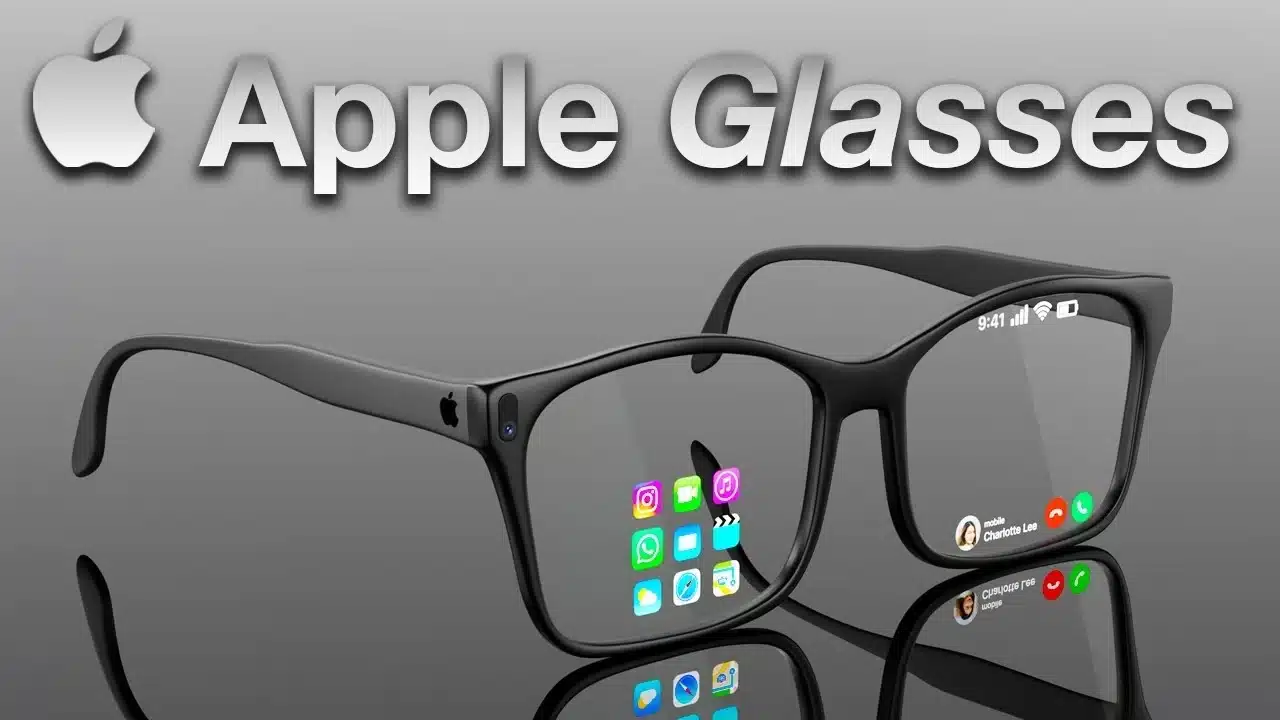
Recent reports indicate that by late 2025, Apple is preparing for a significant hardware rollout in 2026 and 2027. Central to this initiative is a product tentatively named Apple Glasses—designed to seamlessly integrate wearable AI into everyday experiences, surpassing what the Vision Pro could deliver.
This article dives deep into Apple’s strategic approach, the innovative N401 chip, and a significant internal pivot known as “Project Atlas.”
The Timing: 2026 Unveiling, 2027 Release
Apple’s foray into the smart glasses arena is strategically timed to coincide with a crucial moment in tech history. Reports suggest that the company aims to unveil its smart glasses during the 20th Anniversary of the iPhone in 2027.
While 2025 will mainly focus on refining software, 2026 aims to tease developments. Following a familiar pattern from past releases, analysts expect a late 2026 reveal, ramping up anticipation and preparing developers for this new form factor.
This timing aligns with other anticipated launches, including the much-anticipated iPhone Fold and the iPhone 18. This synchronized approach indicates that Apple intends to present the glasses not as mere accessories, but as fundamental components of its next-generation mobile ecosystem—heralding a renaissance in hardware that revitalizes user experience.
“Project Atlas” and Internal Strategy Shift
To truly grasp the potential of these spectacles, we must understand their origins. In late 2024, Bloomberg unveiled “Project Atlas,” a secret initiative within Apple’s Product Systems Quality team aimed at testing various smart glasses, including Meta’s Ray-Ban collaboration, to identify desirable user features.
The insights derived from Project Atlas prompted a significant strategic shift. Apple recognized that the challenges tied to the Vision Pro—such as weight, user isolation, battery life, and cost—could deter average consumers. In contrast, observations from the Meta Ray-Bans revealed that users were open to wearing devices equipped with cameras and microphones if they resembled typical eyewear and weighed under 50 grams.
This led Apple to pivot from the idea of complex AR glasses featuring holographic capabilities to a streamlined “Smart Glasses” model: a lightweight, stylish product focused on capturing experiences and relaying audio information.
Inside the Device: The N401 Chip
A crucial element of the glasses centers on their silicon foundation. Unlike the robust M2 chip utilized in the Vision Pro, the Apple Glasses are expected to incorporate a purpose-built low-power processor known as the N401.
1. The Architecture
The N401 is likely derived from the S-series chips utilized in the Apple Watch, potentially based on the S9 or S10 architecture. This choice is critical for two primary reasons:
- Thermal Management: Since the glasses lack cooling systems, the chip needs to function at lower temperatures, ensuring user comfort while resting against the temples.
- Battery Efficiency: Employing a watch-style architecture will enhance battery life within the compact design, guaranteeing that the device lasts throughout the day.
2. The “Tethered” Brain
While the N401 delivers impressive efficiency, the glasses might not function as standalone devices. They are likely designed to complement the iPhone. Resource-heavy tasks—like executing complex AI operations or uploading high-definition videos—will likely be processed on the paired iPhone through a high-bandwidth, ultra-low-latency connection. This interconnected structure allows the glasses to maintain a sleek profile while leveraging the iPhone’s considerable processing capabilities.
The Standout Feature: Apple Intelligence Over Augmented Reality
9to5Mac reports that this device marks Apple’s first hardware product explicitly tailored for the AI age. While the iPhone possesses AI functions, the Glasses will embody them. Eschewing a traditional display interface, user interactions will primarily occur through voice commands (Siri) and computer vision.
Visual Intelligence
Drawing inspiration from the “Visual Intelligence” features introduced in the iPhone 16’s Camera Control, the glasses will employ onboard cameras to monitor the surroundings.
- Contextual Querying: Users can casually look at a restaurant and inquire, “Are there vegan options available?” or glance at a concert flyer to say, “Add this date to my calendar.”
- Memory Aid: The glasses may serve as a “life recorder,” enabling users to remember where they parked or summarize recent conversations.
Audio Augmented Reality
Here, the “AR” refers to enhanced auditory experiences rather than visual displays. Featuring advanced Spatial Audio and beamforming microphones developed from AirPods Pro, the glasses will deliver navigation directions, read notifications aloud, and translate languages in real-time, all while keeping users connected to their environment.
Aspirations for the Market: 3–5 Million Unit Target
An intriguing detail is Apple’s ambitious sales objectives. In contrast to the Vision Pro’s limited output (under 500,000 units), whispers from the supply chain suggest preparation for a launch-year production of 3 to 5 million units.
This goal reveals Apple’s intent to make this device accessible to a broader audience, likely pricing it in the $349 to $499 range. This positions it as a premium alternative to AirPods rather than a direct replacement for the Mac. If Apple meets this target, it could swiftly dominate the smart glasses market, eclipsing sales figures for Meta’s Ray-Bans.
Design Philosophy: Prioritizing Aesthetics
Apple remains steadfast in its commitment to design excellence. The failures of Google Glass (2013) primarily originated from its “cyborg” look. Informed by Project Atlas findings, Apple aims to create technology that seamlessly blends into users’ lives.
Expect features such as:
- Hidden Technology: Cameras subtly integrated into the frame corners with speakers discreetly embedded in the arms.
- Privacy Indicators: A mandatory LED system designed to inform bystanders when recording, addressing potential privacy issues related to hidden cameras.
- Diverse Styles: Similar to the Apple Watch’s variety of bands and finishes, the glasses are expected to launch with multiple frame designs (Wayfarer, Round, Aviator) reinforcing their status as fashion items.
The Anticipated Product of 2026
While foldable iPhones might attract attention from smartphone enthusiasts, the Apple Glasses symbolize a deeper shift in Apple’s approach. They represent a transition from merely observing technology to engaging with it in fresh, fluid modalities.
By simplifying the design—removing complex displays—and introducing the N401 chip, Apple Intelligence, and an aesthetically pleasing framework, the company bets that the market isn’t ready for full holograms just yet, but is primed for smarter, more intuitive interactions with their surroundings. If the 2027 timeline and 5-million-unit target prove correct, the era of “Apple Glass” is imminent, potentially redefining the role of smartphones in our lives.