Phones
iOS vs Android: Which Mobile OS Will Shape Your Digital Life In 2025?

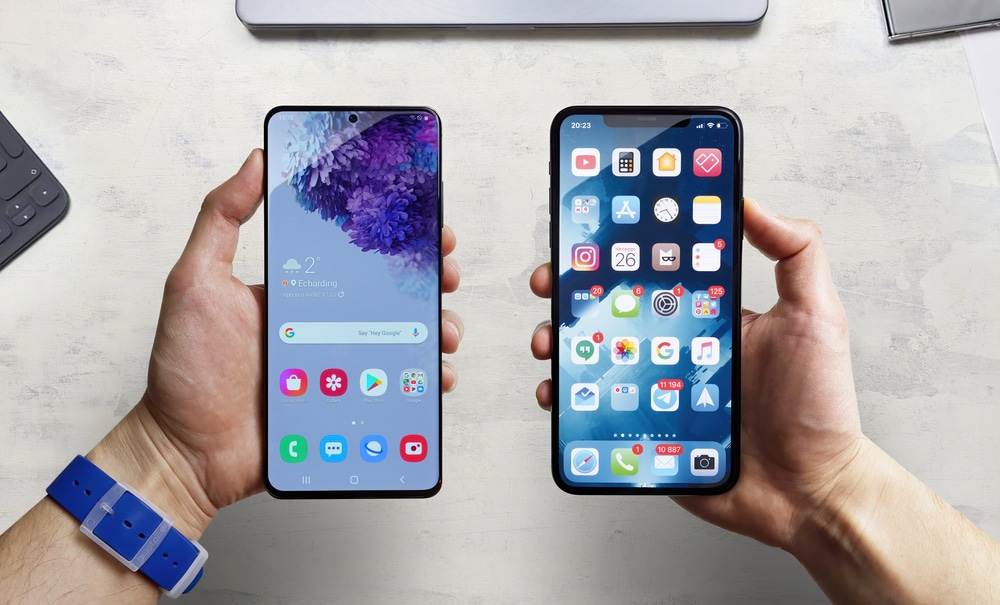
Choosing between iOS and Android isn’t just about picking a phone; it can feel like a reflection of your personal preferences and lifestyle. With tech advancing at a lightning pace, both platforms have come a long way, each showcasing unique strengths and capabilities. If you’re wrestling with this decision, the video from Kyle Erickson provides an insightful walk-through of the key differences to help you assess what fits your needs best.
Biometrics: Security and Accessibility
When it comes to security, biometric features are a game-changer, making your device not just convenient to use but also harder for others to access. iOS has embraced Face ID, a highly advanced facial recognition system that’s been praised for its precision. It seamlessly works across apps, locked folders, and payment systems, ensuring a consistent and user-friendly experience. For many, this translates to peace of mind every time they unlock their phone.
On the flip side, Android largely embraces in-display fingerprint readers. These options are quick and accessible, but you might find that they vary a lot depending on the brand you choose. Some Android devices pack cutting-edge biometric technology, while others may leave you feeling a bit let down. So, your user experience could really hinge on which Android device you decide to go with.
Customization: Tailoring Your Experience
If personalizing your phone is high on your priority list, then Android really takes the cake. This platform allows you to change grid layouts, add third-party launchers, and tweak widgets like no other. You can even dive into custom ROMs if you’re feeling adventurous! This level of customization lets your phone reflect who you are in a way that feels truly yours.
While iOS has made strides toward customization—think widgets and home screen tweaks—it still feels a bit like wearing a nice sweater that doesn’t quite fit. Apple focuses on a streamlined and polished aesthetic, which might appeal to those who prefer simplicity over heavy customization. If you thrive on the ability to truly make your device unique, Android will likely resonate more with you.
Notifications: Managing Alerts Effectively
Let’s talk notifications. Android really shines here with features like notification history and customizable alert settings. This functionality can be a lifesaver, especially if you find yourself juggling multiple tasks or messages. If you rely on your phone for everything—from work emails to catching up with friends—Android gives you the tools to prioritize and respond without hassle.
iOS has been catching up with updates like grouped alerts and priority notifications, but it still lacks the depth of Android’s offerings. If having control over how notifications pop up and how you manage them is essential for you, sticking with Android could be a much better fit.
AI and Assistant Features: Smarter Interactions
Artificial intelligence is ramping up the smartphone experience, and if you want the latest in AI convenience, Android takes the lead here. With Google Assistant as a cornerstone, you’re looking at advanced voice recognition, contextual suggestions, and easy integration with countless apps. Innovative features like Magic Eraser for photos make your creative endeavors smoother and more enjoyable.
On the other hand, Siri works hard on iOS but often feels like it’s playing catch-up. While it has its strengths, the contextual awareness you experience with Google Assistant can feel like a step ahead. If you want your phone to be a smart assistant rather than just a basic tool, Android may provide a more intuitive experience.
Camera and Media: Capturing Moments
Both operating systems offer impressive camera technology, but each has its own flavor. iOS is particularly celebrated for its video quality, boasting smooth transitions and consistent performance. If videography is your jam, then you might find yourself leaning towards an iPhone for those flawless captures.
Conversely, Android excels in AI-driven photo editing and customization. Many Android phones come loaded with cutting-edge tools to enhance and tweak your images effortlessly. However, the experience can vary hugely depending on the manufacturer you choose, from budget-friendly models to high-end flagships with spectacular camera capabilities.
Multitasking: Enhancing Productivity
When it comes to multitasking, iOS has its strengths, especially in seamless integration with other Apple devices. However, the lack of split-screen multitasking on iPhones can be a real hurdle if you’re a power user needing to juggle apps. If multitasking is critical for your workflow, you might find more flexibility within Android devices, especially with larger screens.
Keyboard and Clipboard: Streamlining Input
Android offers keyboards that come jam-packed with advanced features geared toward making typing easier. Whether it’s a dedicated number row, the convenience of clipboard managers, or robust voice typing, these features allow you to type with confidence and efficiency.
iOS brings its own to the table but falls short in certain areas, like lacking a clipboard manager. If you’re someone who frequently copies and pastes across different apps, this might feel like a limitation. Still, both platforms deliver solid typing experiences, each with its own strengths.
Ecosystem Integration: A Unified Experience
Apple’s ecosystem is often hailed as the gold standard for integration. With features like AirDrop and iMessage, moving seamlessly between devices can feel almost magical for those wrapped up in the Apple universe. If you own a few Apple products, the fluidity and convenience can be incredibly appealing.
Android, while not as tightly knit, does offer some integration benefits, especially with Windows devices. The flexibility of Android makes it a more versatile option for users who appreciate compatibility across a wide range of devices and platforms.
Software Updates and Resale Value: Longevity Matters
One of the standout aspects of iOS is its consistency in delivering updates across all compatible devices. This means you won’t be left waiting long for the latest features or security enhancements. If you value long-term support and reliability, this could weigh heavily in favor of Apple.
In contrast, Android updates can be a bit of a mixed bag, often dictated by the manufacturer. Major brands like Google and Samsung are making strides in this area, but not all companies meet the same standard. Plus, when it comes to resale value, iPhones generally hold their worth better than most Android devices, making them a smarter financial choice for those planning to upgrade down the line.
Choosing the Right Platform
Ultimately, the decision between iOS and Android hinges on what matters most to you. If customization, AI features, and multitasking capabilities rank high on your list, Android is likely your best bet. But if you find you lean more towards a polished user experience with smooth ecosystem integration and reliable updates, iOS is probably the way to go. Take the time to weigh the strengths and weaknesses of each system, and you’ll find a device that truly matches your needs.