Phones
Features You Need to Know Before You Buy The All iPhone 16e

The iPhone 16e is Apple’s latest effort to carve a niche in the entry-level smartphone market. Priced at $599, this device now holds the title of the most affordable new iPhone, but it’s a complicated designation. While it may seem enticing, potential buyers find themselves in a tricky spot—should they invest in the newer model, or is there better value in older, more powerful models? For someone who’s looking into upgrading their phone without breaking the bank, this raises a critical question: does the iPhone 16e actually deliver enough bang for your buck?
Diving into its pricing and market position, the iPhone 16e’s $599 tag creates a bit of a shake-up from the $399–$429 range of its predecessors, the SE models. On one hand, it still boasts the title of the cheapest new iPhone, yet it doesn’t quite feel like a true budget option anymore. The reality is, for just a bit more, savvy shoppers could nab a refurbished iPhone 15 Pro, which packs superior performance, fancy features, and a more premium construction. It seems that the 16e’s pricing strategy is not so much about carving out an identity but more of a gentle nudge towards the standard iPhone 16.
What’s interesting is that the iPhone 16e primarily appeals to folks who are upgrading from much older models. But if you’re the type of person who likes to get the most value for your money, considering refurbished or discounted high-end iPhones could make the 16e seem less appealing. This begs the question: Does Apple’s pricing choice really resonate with what consumers need?
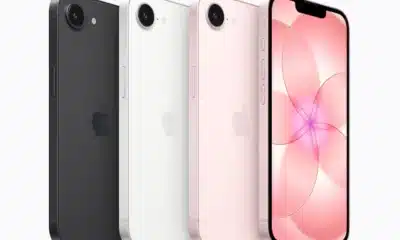
When it comes to design, the iPhone 16e keeps to the familiar aluminum frame and flat-sided look we saw in the iPhone 14. The 6.1-inch display, complete with a notch and Face ID, gives it that classic Apple aesthetic. But let’s talk about colors—only matte black and matte white are on offer! It’s the end of the vibrant Product Red option, which could have added a little flair to this model’s character. For users who appreciate a phone that stands out visually, this lack of bold design feels like a missed opportunity in a market bustling with colorful competitors.
Now, let’s touch on the display. The iPhone 16e boasts a 6.1-inch screen with a standard 60Hz refresh rate. Now, if you’re used to higher-end devices with buttery smooth 120Hz screens, you’ll likely feel the difference. Especially when you’re scrolling through social media or diving into action-packed games, the lack of fluidity can be a bit of a letdown. Oh, and if you’re someone who enjoys outdoor photography or using your phone in bright spots, you might find the screen’s visibility lacking under direct sunlight, which could put a damper on your fun.
Let’s flip to the camera. The iPhone 16e features a single 48MP camera, which is indeed a step up from previous SE models. Under good lighting, you can capture sharp, detailed images. But if you’re a fan of low-light photography or involved in capturing those exquisite moments during dimmer conditions, you might find the smaller sensor and lack of advanced stabilization limits your creativity. Key features such as cinematic mode, spatial video, and macro photography are absent, making the camera feel a bit basic, especially compared to older, more advanced models that might be just a few dollars more.
Performance-wise, the iPhone 16e packs the A18 chip, providing solid handling for everyday tasks like browsing and streaming. The catch? This version is slightly downgraded, featuring one less GPU core than the top-tier models. So while it’s reliable for light gaming and general use, if you’re looking for that cutting-edge performance or innovative features, you may find the iPhone 16e falls a bit short.
When it comes to battery life, there are some nice improvements, but the absence of MagSafe compatibility could be a significant drawback for those who rely on convenience. While you can expect decent battery performance, the outdated charging options serve as a reminder that this device doesn’t fully embrace Apple’s eco-system.
From a connectivity standpoint, the iPhone 16e introduces Apple’s in-house C1 modem—good news, but it lacks support for future-forward technologies like Wi-Fi 6E, Wi-Fi 7, and millimeter-wave 5G. The missing ultrawideband technology also means it can’t perform precision tracking for accessories like AirTags, which leaves it feeling slightly outdated compared to other options that are preparing for tomorrow’s tech landscape.
One feature that holds a bit of promise is the Action Button. This customizable hardware control could be a fantastic tool, but as it stands, its functionality is limited. It doesn’t include advanced features—like camera controls, for example—so it ends up feeling like more of a gimmick than a game-changer. There’s some hope that future updates could enhance its usefulness, but at this moment, it doesn’t deliver an impactful user experience.
So, who is the iPhone 16e really for? It seems to cater to those moving up from much older models like the iPhone 11, 12, or SE. If you don’t feel the need for the latest bells and whistles, this device could have its place. But if you prioritize advanced features, an eye-catching design, and overall value, you might walk away feeling like the 16e is falling short of your expectations.
At the end of the day, the iPhone 16e finds itself in a unique yet challenging position within Apple’s lineup. Yes, it brings in some modern updates, but its higher price tag coupled with the lack of important features blur its value proposition. For those of us on the hunt for a capable device, considering refurbished or slightly older models might yield a much more satisfying experience. The iPhone 16e, while a fine choice for some, may leave many second-guessing if it truly deserves a place in their pocket.