


Phones
Camera Enhancements In The Samsung Galaxy S26 Ultra

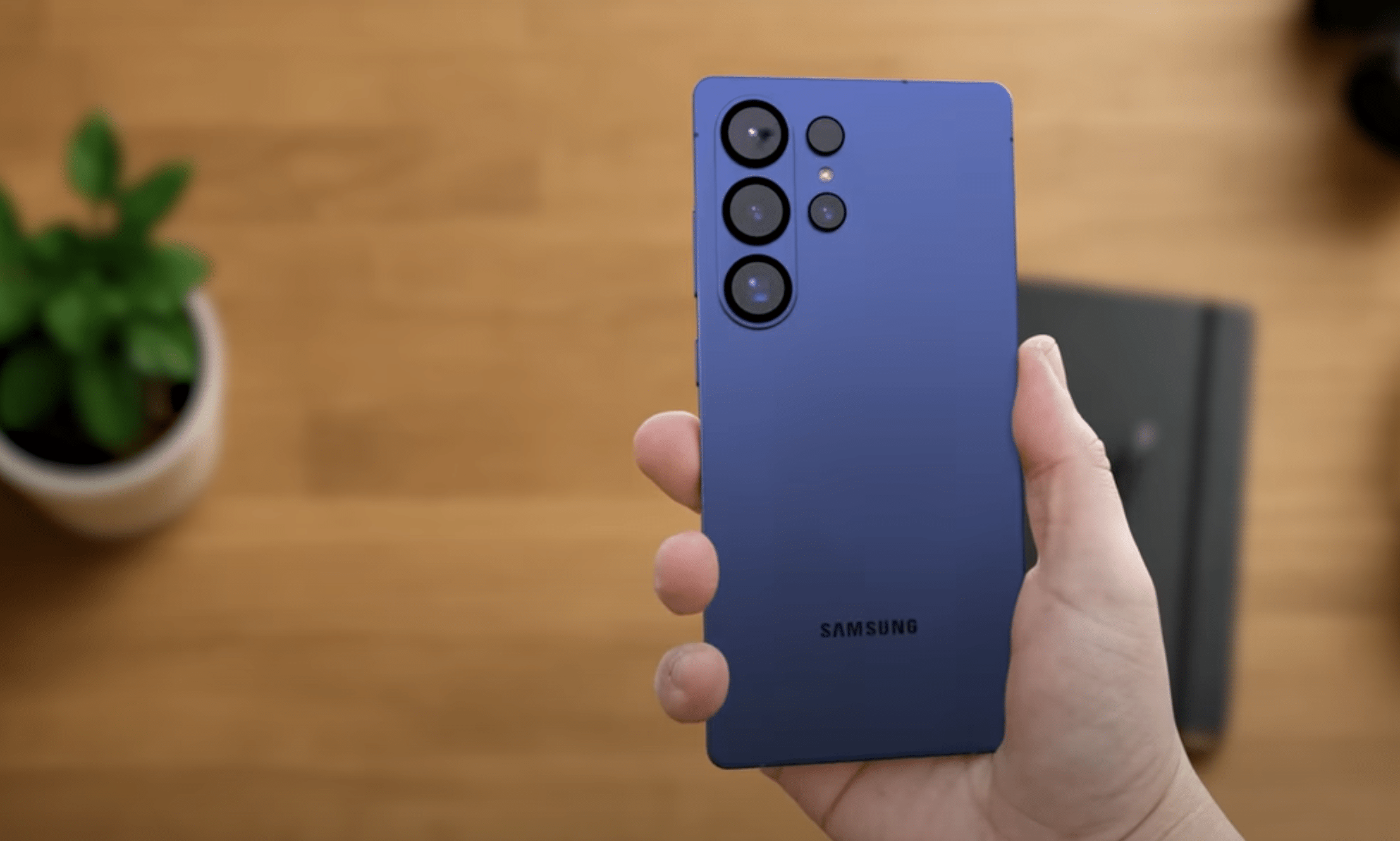
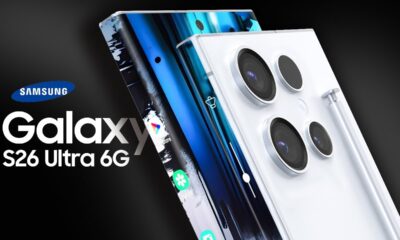
The release of the Samsung Galaxy S26 Ultra has sparked significant interest, especially among photography enthusiasts. Notably, the updates to its 3x telephoto zoom camera have been a key topic of discussion. While Samsung has implemented advanced image processing capabilities, the changes in hardware—specifically concerning sensor size and pixel dimensions—could significantly impact performance, particularly in low-light conditions. Understanding these modifications is essential for anyone contemplating an upgrade from the Galaxy S25 Ultra.
Key Modifications to the Camera Sensor
The Galaxy S26 Ultra’s telephoto camera now features a smaller 1/3.94-inch sensor with 1.0-micron pixels, compared to the Galaxy S25 Ultra’s 1/3.53-inch sensor with slightly larger 1.12-micron pixels. The resolution is retained at 10 megapixels (cropped from a 12-megapixel capture). However, this diminishment in sensor size and pixel dimensions may introduce trade-offs in image quality that are crucial for users focused on achieving optimal photographic results.
Smaller pixels capture less light, which can lead to reduced detail, dynamic range, and brightness, especially under low-light conditions. Users who often utilize zoom features in dim lighting might find this change quite relevant, as it may affect the clarity of their images.
Challenges in Low-Light Zoom Performance
Low-light photography presents ongoing challenges for smartphone cameras. The smaller pixels in the Galaxy S26 Ultra’s telephoto lens may struggle to absorb adequate light, which can result in images that lack detail and display increased noise. For those accustomed to the superior light-gathering capacity of the Galaxy S25 Ultra, this could feel like a step backward.
In response to these hardware limitations, Samsung has employed significant advancements in computational photography. The Galaxy S26 Ultra leverages an improved Image Signal Processor (ISP) combined with innovative software algorithms to enhance image quality. Key features include:
– Noise Reduction: This minimizes graininess in low-light photography, leading to a cleaner output.
– Enhanced Sharpness: The system boosts the clarity of intricate details.
– Color Optimization: It ensures that colors are accurate and realistic.
These software enhancements are instrumental in offsetting the limitations posed by smaller pixels, thereby preserving a competitive photographic experience.
The Impact of Image Processing Techniques
Samsung remains at the forefront of computational photography through its utilization of advanced software designed to maximize hardware efficacy. The Galaxy S26 Ultra’s ISP applies sophisticated techniques to process the data gleaned from the smaller sensor, which includes:
– Multi-Frame Noise Reduction: This method merges multiple exposures to create a single image that is well-lit and low-noise.
– HDR (High Dynamic Range) Processing: This balances highlights and shadows, resulting in more vibrant and detailed images.
– AI-Driven Scene Optimization: Automatically adjusting settings based on the subject and lighting improves the overall photographic quality.
For example, when taking a zoomed-in photo in low-light conditions, the ISP’s ability to combine several frames can yield a brighter, sharper image. While these enhancements cannot entirely compensate for the larger pixel advantages, they play a pivotal role in upholding image quality in various scenarios.
A Delicate Balance Between Hardware and Software
The design of the Galaxy S26 Ultra’s 3x telephoto lens reflects a careful balance between hardware limitations and software ingenuity. Despite facing potential drawbacks in sensor size and pixel dimensions, Samsung’s emphasis on computational photography ensures that the camera continues to deliver remarkable results.
For most consumers, the differences in zoom performance might be minimal, particularly in well-illuminated environments where hardware differences are not as significant. However, photography aficionados who place considerable emphasis on low-light capabilities may notice a competitive edge in the Galaxy S25 Ultra’s larger sensor and pixels when it comes to capturing detailed images.
In summary, the camera system of the Galaxy S26 Ultra embodies Samsung’s dedication to merging cutting-edge hardware with innovative software solutions. While the hardware changes might not indicate an unequivocal upgrade, the advanced image processing capabilities empower it to remain a formidable player in the smartphone camera arena.